Home Window Tinting: Benefits, Types & Costs
By
Zoey
Published
January 19, 2026
Time
5 min read
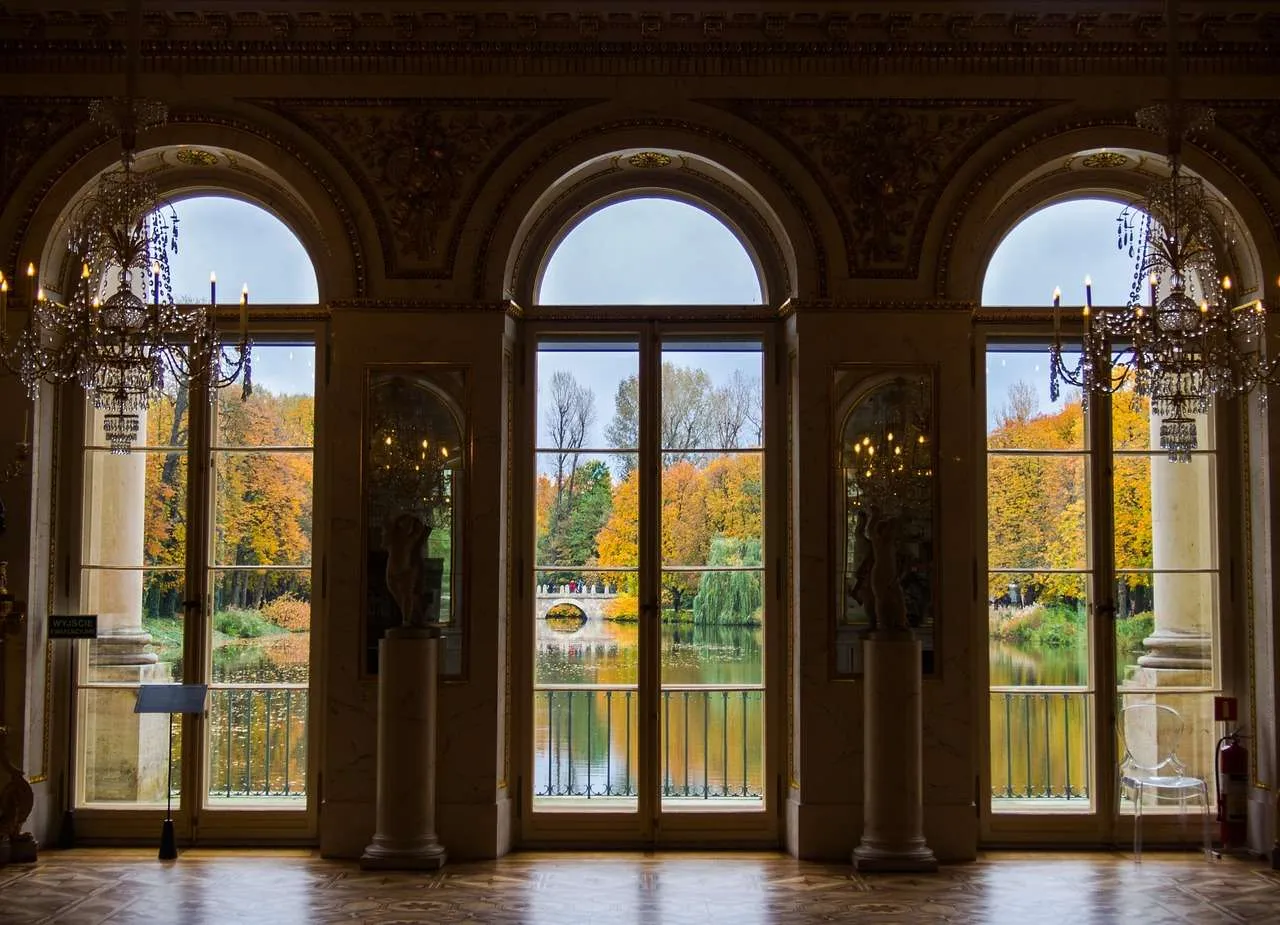
Home window tinting is a practical upgrade for houses seeking better energy efficiency, UV protection, and enhanced comfort. When homeowners explore this option, they should consider film types, installation quality, and local regulations. Partnering with an experienced, certified installer helps ensure results that align with EEAT principles—demonstrating expertise, authority, and trustworthiness through proven products, transparent warranties, and professional service.
What is Home Window Tinting?
Home window tinting involves applying a thin film to the interior surface of glass windows. The film can block infrared heat, reduce glare, and filter UV radiation, while preserving daylight and outdoor visibility. Modern residential films come in a range of shades and materials, from budget dyed films to high-performance ceramic or carbon films. Installation is typically performed by trained technicians who ensure a clean bond, proper heat treatment, and warranty coverage.
Benefits of Home Window Tinting
Tinting windows offers several tangible advantages for homeowners:
- Energy savings: Reducing heat gain in summer and heat loss in winter lowers cooling and heating demands.
- UV protection: Most films block up to 99% of ultraviolet light, helping protect furniture, flooring, and artwork from fading.
- Glare reduction: Enhanced comfort for screens, televisions, and reading areas without sacrificing daylight.
- Privacy and aesthetics: Slightly tinted windows deter intruders and add a cohesive, modern look.
- Safety and security: Some films hold shattered glass together, reducing injury risk during impacts or accidents.
Types of Home Window Tinting
Choosing the right film depends on goals, climate, and budget. Here are common residential options:
Dyed Window Tint
Dyed films are a cost-effective option that absorbs heat and reduces glare. They are popular for budget projects and offer good privacy at darker shades. Drawbacks include potentially lower durability and color change over time if exposed to strong sun.
Ceramic Window Tint
Ceramic films use non-conductive ceramic particles to reject heat without adding metallic components. They provide excellent UV protection, high clarity, and strong durability, making them a top choice for energy efficiency and modern aesthetics. They tend to be more expensive but offer superior performance and less risk of interference with devices.
Carbon Window Tint
Carbon films reduce heat and block infrared rays while maintaining an even, non-reflective appearance. They reduce solar heat gain, preserve natural light, and resist fading well. Price is typically in the mid-to-high range.
Metalized Window Tint
Metalized films incorporate metallic particles to reflect heat and reduce glare. They deliver strong performance and solid privacy but can interfere with certain electronic signals and may appear reflective from the exterior. They are usually mid-priced but require careful installation to avoid window tint failure.
Comparison of Tint Types
| Type | UV Rejection | Glare Reduction | Privacy | Durability | Cost | Best For |
|---|---|---|---|---|---|---|
| Dyed | High | Medium | High | Moderate | Low–Medium | Budget upgrades |
| Ceramic | Very High | High | Moderate | High | High | Energy savings, comfort |
| Carbon | High | High | Moderate | High | Mid–High | Balanced performance |
| Metalized | High | High | High | Moderate | Mid | Strong heat rejection, electronics caution |
Installation, Maintenance, and Warranties
Professional installation is essential for even tinting, bubble-free bonding, and long-term performance. A qualified installer should inspect glass, ensure compatibility with existing window seals, and provide a warranty that covers peeling, bubbling, or fading. Maintenance is simple: wipe with a soft cloth and a mild cleanser, avoid abrasive tools, and address any air gaps or edge lifting promptly with the installer. Avoid DIY installation if you lack tools or experience, as improper alignment can reduce visibility and performance.
Cost Considerations and Warranties
Costs vary by film type, window size, number of panes, and labor. Typical ranges are influenced by climate, the complexity of multi-pane windows, and installation region. When budgeting, consider not only the film price but also potential energy savings, reduced fading, and warranty terms. Reputable installers offer warranties that cover the film’s adhesion and performance for several years, providing additional assurance and alignment with EEAT principles.
Choosing a Professional
To ensure expertise, authority, and trust, follow these tips when selecting an installer: verify licensing and experience with residential projects, request case studies or photos of prior jobs, ask about film certifications and sun protection ratings, obtain multiple quotes, and review written warranties and post-installation support. A transparent process and credible references help homeowners feel confident in the investment.
Conclusion
Conclusion, home window tinting offers measurable benefits in energy efficiency, UV protection, and comfort. By understanding film types, comparing performance and costs, and hiring a qualified installer, homeowners can achieve durable, aesthetically pleasing results that align with best practices and long-term value.